
Pre-Purchase Exams

Pre-Purchase Exams
What Does an Equine Pre-Purchase Examination Include?
Parties Involved
We strongly encourage both buyers and sellers to be present during pre-purchase examinations. While our veterinarian can conduct an examination of a horse without the buyers and sellers present, pre-purchase exams are much more effective when all parties are on site. This allows for smoother communication to facilitate a transparent transaction. That being said, a veterinarian is in the service of the buyer, during a pre-purchase exam.
History and Medical Records
Pre-purchase examinations begin with a thorough evaluation and recording of the animal’s history. Our veterinarian will take a photographic record of the horse’s appearance, determine the horse’s approximate age, work history, and medical history. In addition, we’ll compile a history of all previous owners, current owners, and the potential buyer.
Physical Examination
The physical examination includes a thorough inspection of the horse to evaluate all the body’s major systems including the lungs, heart, skin, coat, eyes, ears, mouth, gastrointestinal system, external reproductive organs, musculoskeletal system and much more. We’ll record all our findings in detail.
Lameness Examination
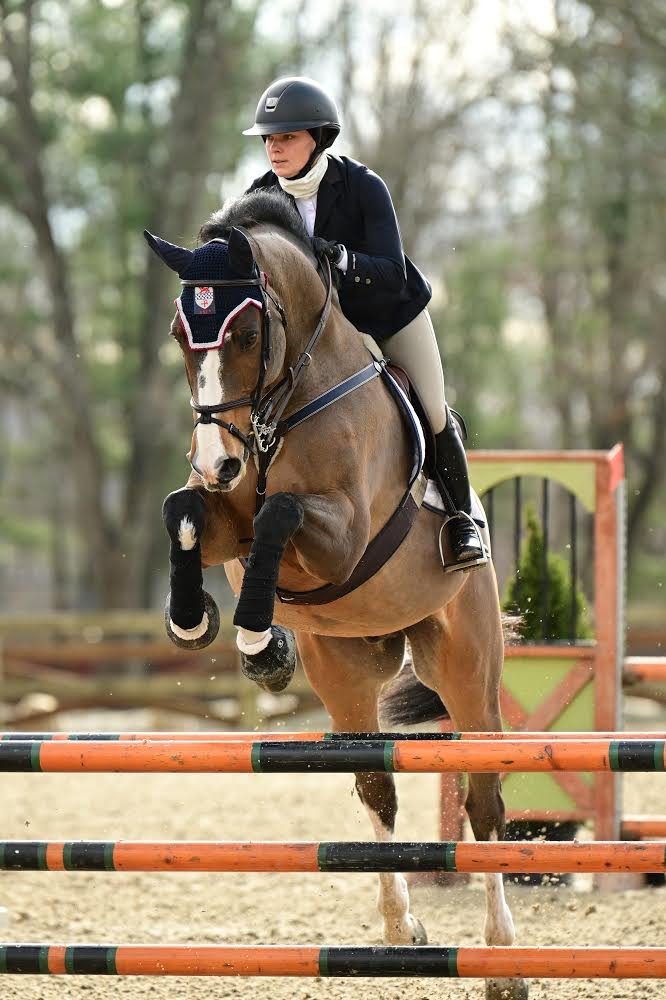
The lameness examination is intended to assess the horse’s general condition, musculoskeletal system and fitness for the intended purpose. Our veterinarian will conduct full palpation of the horse’s neck, back, and limbs. We’ll evaluate conformation, hoof quality and angle, current shoeing, and we will evaluate the hoof with hoof testers. We will examine the horse working in-hand and under saddle, and will perform flexion tests. We will then consult with the potential buyer and, depending on our findings, make a recommendation regarding diagnostic imaging.
Diagnostic Imaging
Most pre-purchase examinations involve taking x-rays to examine the bones and joints for abnormalities while also creating a record of the horse’s condition at the time of purchase. Less common imaging includes ultrasound, especially if there are any concerns about soft tissue injuries or concerns with the heart (arrhythmias, murmurs) and endoscopy to evaluate the upper airway if the horse has respiratory noise (“roarer”).
Laboratory Evaluation
Veterinarians use laboratory testing to evaluate general health and to screen horses for signs of illness. A baseline complete blood count and serum chemistry can help evaluate organ function and general health status. Often, if a buyer is strongly considering buying the horse, a Coggins test (for equine infectious anemia) will be taken, at the time of the pre-purchase exam. We might also run a blood test to screen for levels of drugs in a horse’s systems.
Pre-purchase Examinations With Advanced Equine