Equine Dentistry
Equine Dentistry
Equine Dentistry for Health and Performance
Wild horses do well without dental care, so why do domestic horses need it?
Horses have highly specialized teeth that are adapted to sheer off and chew rough forage all day. Unlike people, horses have hypsodont teeth, which erupt continuously throughout their lives, which allows them to manage this primarily rough-forage diet. Domestic horses typically only spend a small fraction of their time grazing due to modern management practices of limited turnout time. Additionally, domestic horses are provided with supplemental feeds that contain highly concentrated nutrients including grains and hay. These feeds also elicit different chewing patterns than the grasses consumed by wild horses while grazing. Even domestic horses that are on pasture 24/7 commonly have their feed supplemented with grain and hay. Wild horses also do not tend to live as long as our domestic horses, and part of this is certainly due to dental disease.
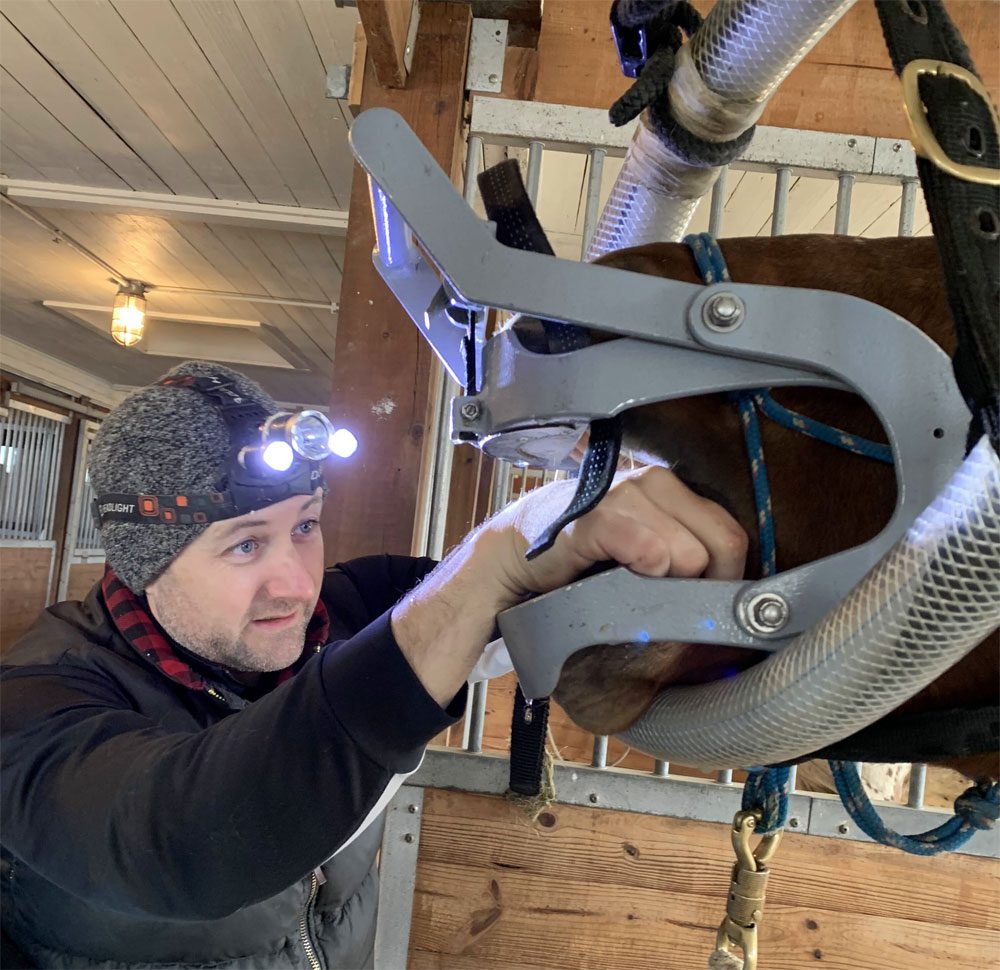
How Often Do Horses Need Dental Exams?
What Does a Dental Examination and Float Entail?
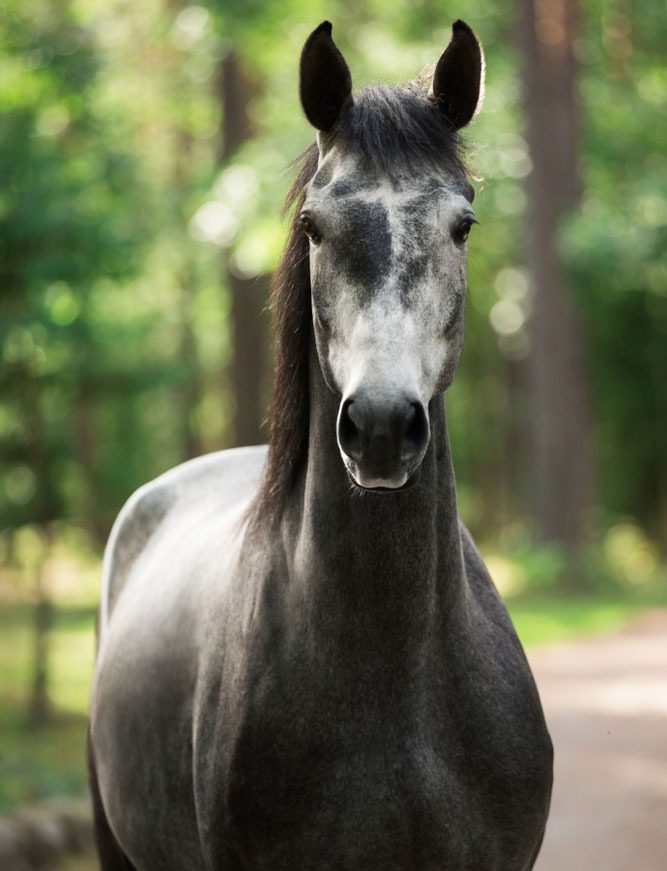
Tooth Extractions With Advanced Equine
Equine Odontoclastic Tooth Resorption and Hypercementosis (EOTRH)
One specific condition that generally affects older horses (usually over 20 years old, but can be as young as 15) is Equine Odontoclastic Tooth Resorption and Hypercementosis (EOTRH). This disease has only been recognized within the past 10 years, and we are still learning about it. EOTRH is an extremely painful, degenerative condition of the incisors and canines, but very rarely affects the cheek teeth. The roots of the incisors begin to resorb and proliferative bone is made in reaction, creating a bulging appearance of the incisor’s roots. Most often the first signs are sensitivity to bitting, unwillingness to bite down on hard food (like a carrot), gum recession over the incisors, small abscesses and bleeding over the roots of the incisors, bulging of the tooth roots and sometimes fracture and movement of the incisors. A visual exam of the incisors may be highly indicative of EOTRH, but diagnosis is confirmed with x-rays. Unfortunately, the only known effective treatment is extraction of all of the incisors. Usually we recommend extraction of all incisors at once, rather than a staged extraction over time. This is because the disease is progressive, and even if some incisors are not affected at the time of initial diagnosis, they will eventually become affected and require extraction. Luckily, horses that have all of their incisors extracted do extremely well and continue to live full, comfortable lives. As long as the premolars and molars are normal, they are still able to eat hay, grass, grain and treats! They may look a little funny, but they are so much more comfortable.